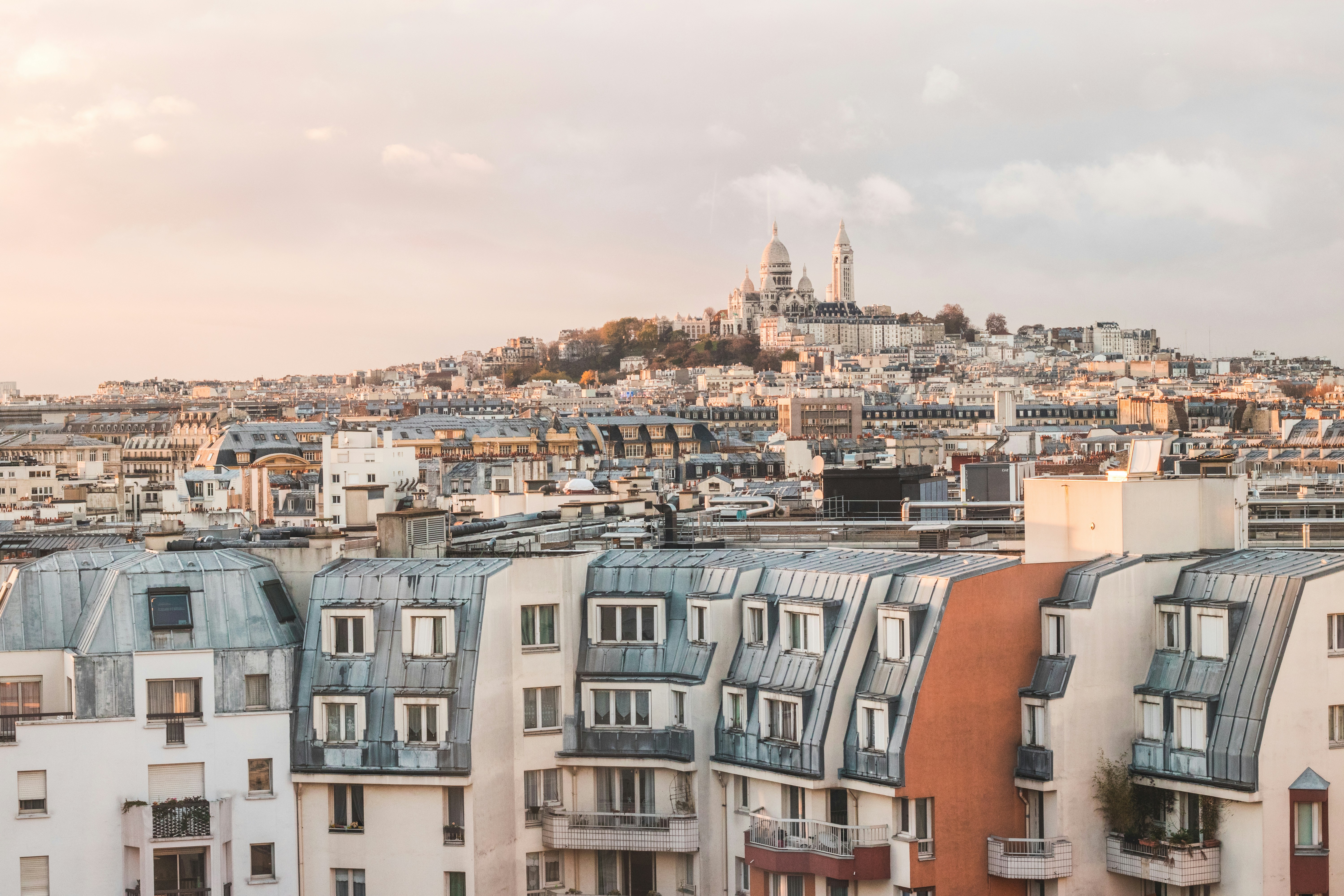
Everyone plans Paris around a checklist — the Louvre, the Eiffel Tower, one museum after another until the trip feels like homework. My best trip there was the opposite: fewer sights, more neighborhoods, and enough unstructured time to actually feel like you live there for a week and a half.
Where to base yourself
Skip the hotel-cluster neighborhoods near the major landmarks — they’re convenient for photos and forgettable for everything else. I typically point clients toward the Marais, Saint-Germain, or the edges of Montmartre, away from the tourist center of it. You’ll walk more, but every walk is the point.
How to structure ten days
I plan it in thirds:
- First third — get oriented. Walk without much of an agenda, find your neighborhood bakery, let the jet lag burn off.
- Middle third — the days with actual plans: the one or two museums worth the timed entry, a day trip if you want one (Giverny and Versailles both earn the trip, but pick one, not both).
- Final third — slow back down. Repeat the café you liked. Buy the thing you didn’t buy the first time you saw it.
Museums: pick two, not five
The Louvre is worth a half-day, not a full one — go early, know what you want to see, and leave before the crowds peak. I’d pair it with either the Musée d’Orsay or the Musée de l’Orangerie rather than trying to do all three; the Impressionist collections overlap enough that one is plenty unless you’re genuinely a completist.
Where to eat
Reserve your two or three “special” dinners before you leave home — the well-reviewed bistros book out, especially on weekends. Everything else, walk until something looks right. Paris rewards wandering into a place with a full terrace and no tourists at 1pm on a Tuesday.
Day trips worth it
- Giverny — Monet’s gardens, best in late spring when the water lilies are actually blooming.
- Versailles — go on a weekday, arrive at opening, and prioritize the gardens over fighting the Hall of Mirrors crowds.
When to go
Late April through June is Paris at its best — long light, gardens in bloom, before the August closures start. September is a close second and slightly less crowded. I’d steer around August itself; a lot of the city’s best small restaurants close for the month.
If this is the trip you’ve been meaning to plan, reach out and I’ll build the day-by-day.